

Before World of Warcraft became the juggernaut it is today, there was Warcraft III—a real-time strategy masterpiece that defined the tone, lore, and emotional core of everything that followed. Its heroes, conflicts, and tragedies became the foundation upon which WoW was built. Even decades later, its legacy continues to shape quests, zones, and cinematic arcs in profound ways.
This article explores how Warcraft III’s narrative, characters, and design philosophy continue to influence WoW’s storytelling today, proving that some legacies never fade—they evolve.
Warcraft III: The Beginning of Modern Lore
Warcraft III was more than a strategy game—it was a narrative revolution. Through cinematic storytelling, character-driven campaigns, and moral complexity, it transformed a war game into a mythic saga. Players didn’t just command armies—they lived the journeys of Arthas, Thrall, Jaina, and Illidan, whose choices still ripple through WoW’s storylines.
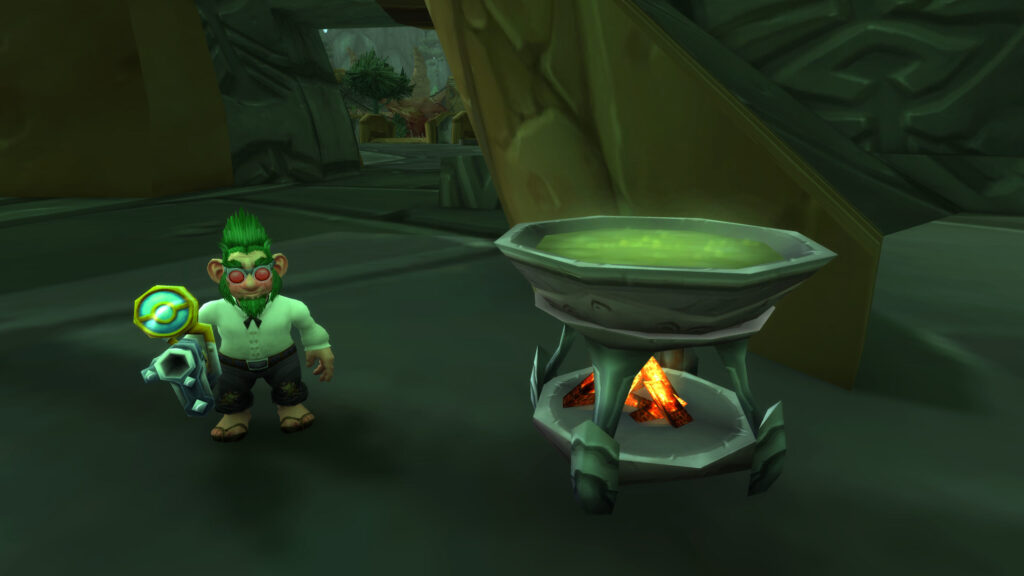
The game’s emphasis on interconnected destinies established a tone that WoW continues to embrace: a universe where every action, no matter how small, echoes across ages.
The Birth of Iconic Characters
Many of WoW’s greatest figures were born in Warcraft III. Arthas Menethil’s tragic descent, Sylvanas Windrunner’s vengeance, and Illidan Stormrage’s rebellion all began in those campaigns. Their arcs defined what it means to be a hero—or a villain—in the Warcraft universe.
Even today, expansions revisit their legacies. Shadowlands closed Arthas’s story; Dragonflight continues the Windrunner sisters’ saga; and Illidan’s sacrifice still echoes in Legion. These characters endure because Warcraft III gave them depth beyond mere alignment—it made them human.
Philosophy and Moral Complexity
Warcraft III introduced moral grayness into a previously black-and-white world. The idea that heroes could fall and villains could seek redemption became a cornerstone of WoW’s storytelling. From Garrosh’s ambition to Anduin’s compassion, every moral dilemma can trace its roots back to Warcraft III’s exploration of flawed heroism.
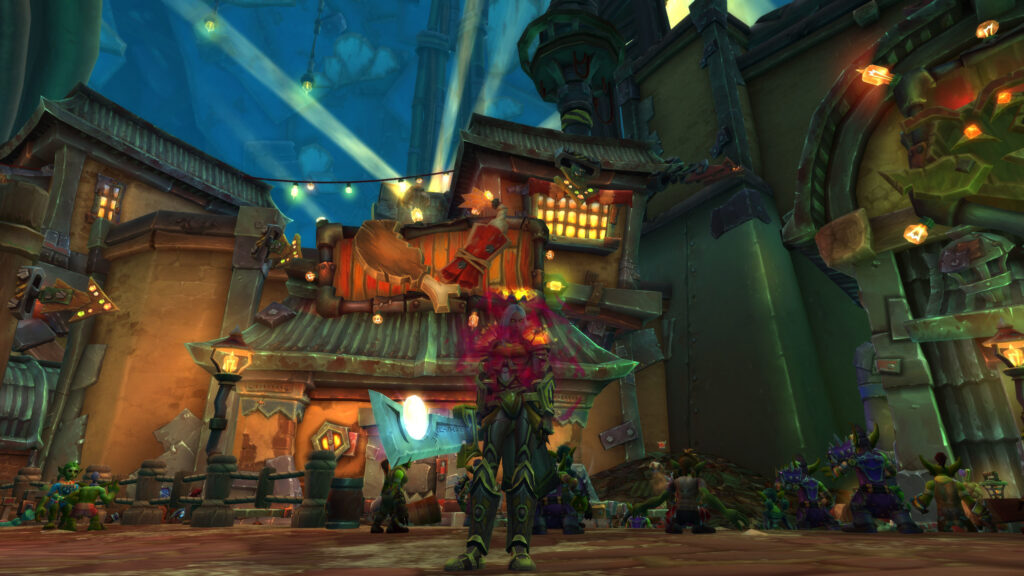
This moral ambiguity gave WoW’s narratives emotional realism, inviting players to question loyalty, leadership, and destiny—a tradition that continues to define expansions like Shadowlands and The War Within.
Worldbuilding Through Conflict
Every great WoW zone carries the DNA of Warcraft III’s world design. The conflict between factions, the ruins of past wars, and the scars of magical cataclysms all stem from events first depicted in the RTS campaigns. Blizzard’s mastery of environmental storytelling began here, blending geography and history into living maps.
Modern zones like Dragon Isles and Zaralek Cavern still echo this approach—each region shaped by conflict, loss, and rebirth. The world itself remains a silent storyteller, much like it did two decades ago.
Mechanics That Inspired Storytelling
Warcraft III’s gameplay mechanics—hero leveling, ability progression, and resource management—became the foundation for WoW’s RPG systems. The game blurred the line between narrative and gameplay, turning character growth into a tangible experience. This DNA lives on in WoW’s talent trees, leveling, and even Mythic+ scaling systems.
| Warcraft III Mechanic | WoW Counterpart | Shared Philosophy |
|---|---|---|
| Hero Leveling | Player Progression | Growth through effort and storytelling |
| Item Upgrades | Gear and Enchant Systems | Power earned through challenge |
| Faction Campaigns | Alliance & Horde Storylines | Dual perspectives shaping one narrative |
Through design and storytelling alike, Warcraft III laid the groundwork for how WoW would reward both effort and emotion.
Emotional Continuity in Modern Expansions
WoW’s most powerful stories often revisit themes born in Warcraft III: betrayal, sacrifice, and destiny. Whether it’s Jaina’s struggle for forgiveness or Thrall’s eternal search for balance, the emotional threads remain unbroken. Each expansion reinterprets those themes through new generations of characters, ensuring the world never stops evolving.
This continuity gives WoW its soul. The past isn’t forgotten—it’s lived through every quest, cinematic, and choice players make.
The Timeless Legacy
Warcraft III didn’t just shape WoW—it defined the modern fantasy genre. Its characters, conflicts, and innovations became the template for narrative-driven MMOs that followed. Even twenty years later, its fingerprints remain visible in every cinematic, dialogue choice, and moral crossroad.
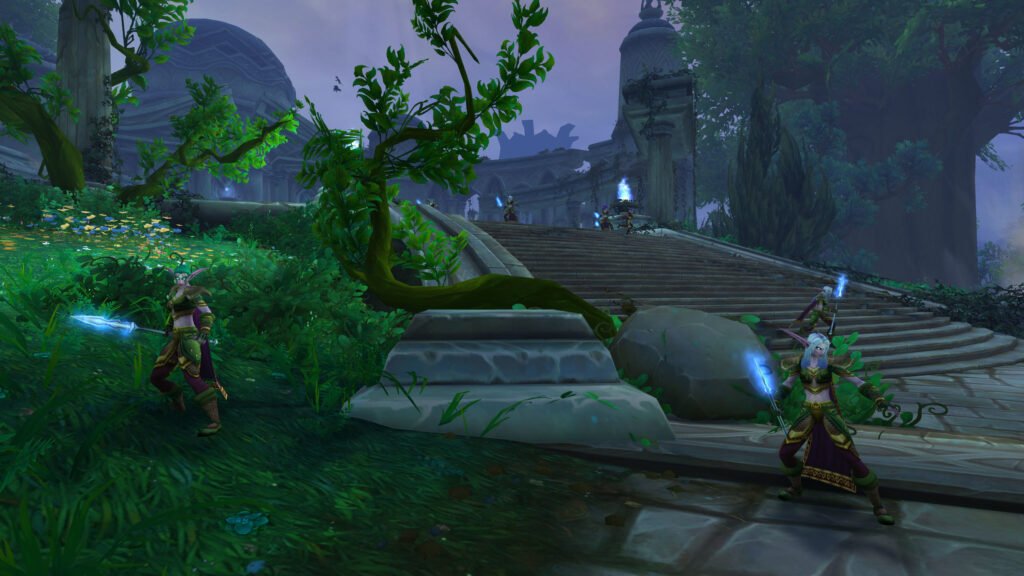
More than a prequel, Warcraft III is the foundation of everything WoW became—and everything it still strives to be.
Conclusion
Warcraft III’s influence on WoW isn’t nostalgia—it’s architecture. The RTS gave Blizzard the storytelling framework that transformed a game about war into a saga about identity, morality, and hope. Every new expansion, from Wrath to The War Within, carries its legacy forward.
As long as players continue to walk Azeroth, the echoes of Warcraft III will live on—guiding every story that unfolds in its shadow.