
Endgame progression is no longer confined to instanced content. Modern open-world zones are designed as persistent spaces where players gather, cooperate, and compete in shared objectives. These areas blend structured activities with emergent social interaction, reshaping how endgame content is experienced.
Instead of feeling transitional, open-world zones now function as long-term hubs that anchor player activity.
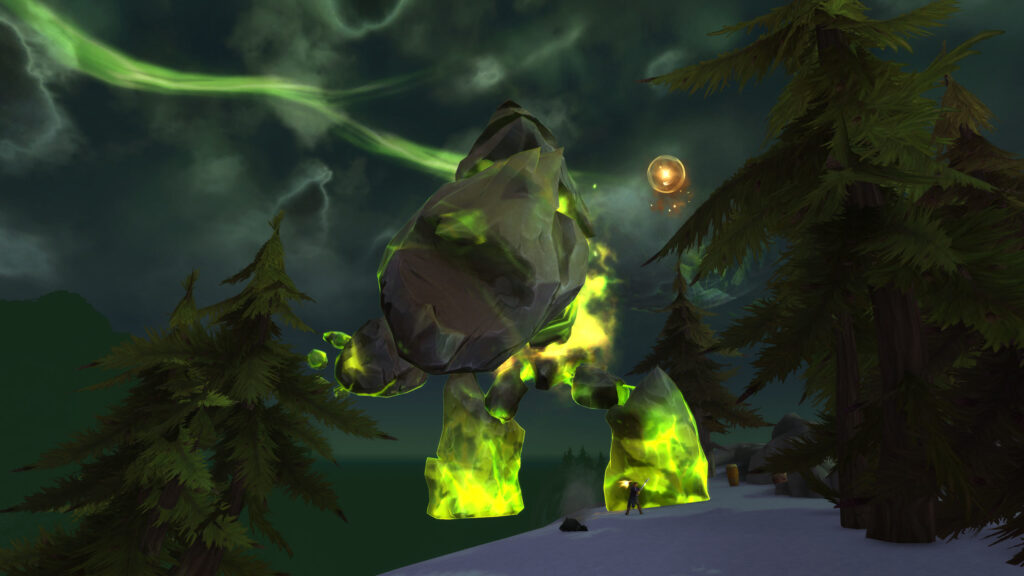
The Return of the Shared World
Earlier endgame design often pushed players into isolated instances, reducing spontaneous interaction. While efficient, this approach limited social engagement outside organized groups.
Modern zones reverse that trend by encouraging players to remain in shared spaces where cooperation happens naturally and repeatedly.
Cooperative Systems That Encourage Group Play
Open-world endgame zones are built around scalable activities that reward participation without rigid group structures. Players can join efforts seamlessly, contributing without formal coordination.
- Dynamic events that scale with participation
- Shared objectives that reward collective effort
- Zone-wide progress meters and unlocks
- Public encounters requiring role coordination
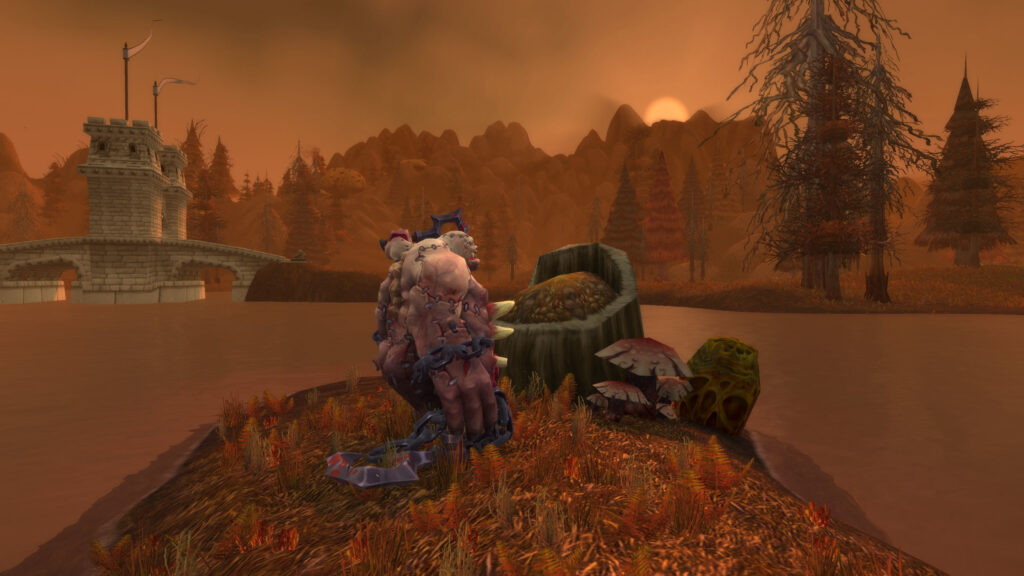
This design lowers social barriers while preserving meaningful cooperation.
Competitive Elements Inside Shared Spaces
Alongside cooperation, competition has found a place in open-world endgame. Leaderboards, rare spawns, and performance-based rewards introduce rivalry without fragmenting the player base.
These systems create tension and excitement, motivating players to optimize performance even outside instanced content.
Social Identity and Player Presence
Persistent zones strengthen social identity. Familiar names reappear, reputations form, and informal communities emerge around shared goals.
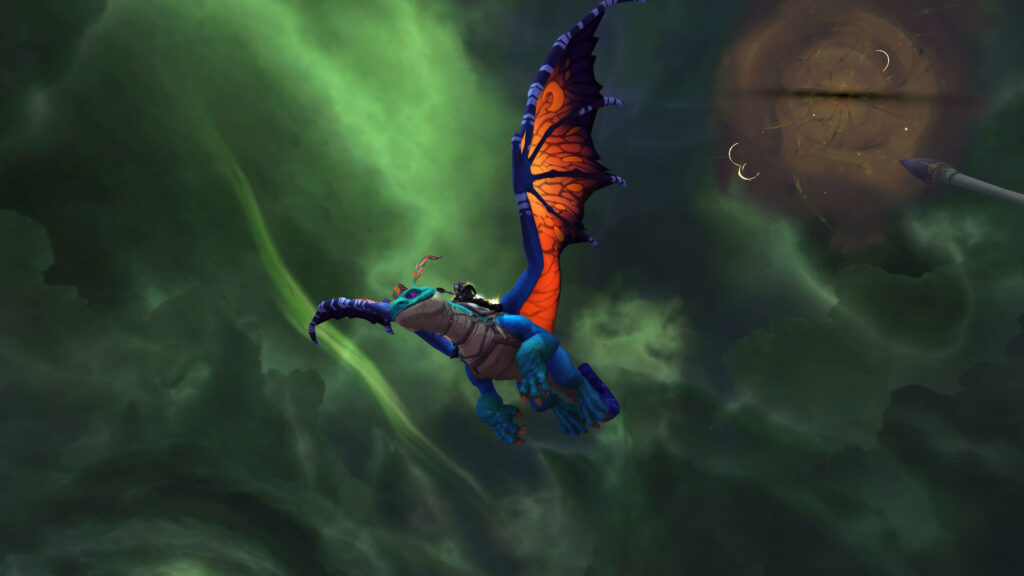
This continuity makes the world feel inhabited rather than transactional, reinforcing long-term engagement.
Why These Zones Succeed as Endgame Content
By combining progression, social interaction, and optional competition, open-world endgame zones offer flexibility. Players can engage deeply or casually without feeling excluded.
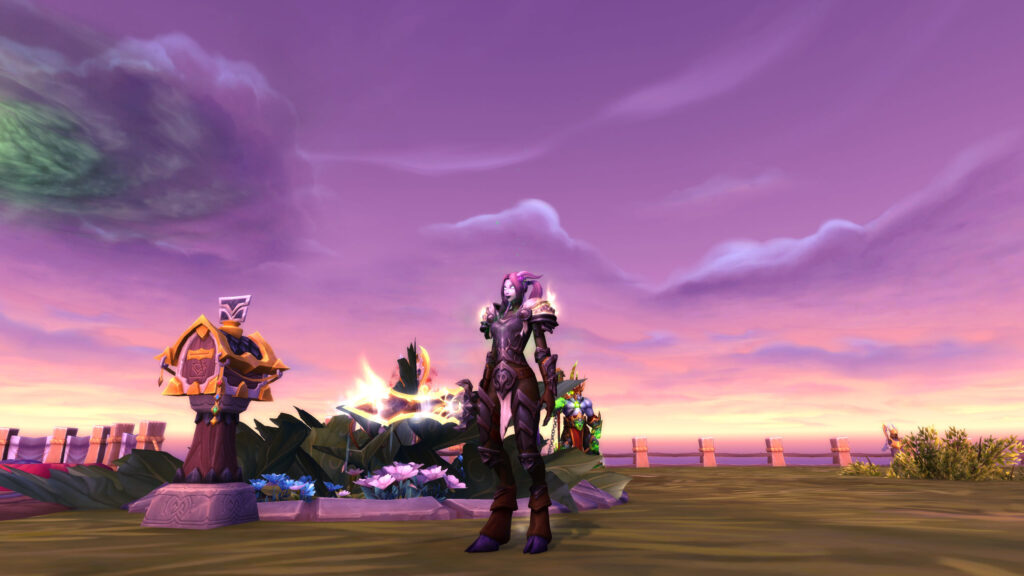
This balance keeps the zones relevant well beyond initial progression phases.
Conclusion
Open-world endgame zones have evolved into vibrant social hubs where cooperation and competition coexist. By anchoring progression in shared spaces, they restore the sense of a living world while offering meaningful endgame engagement outside traditional instances.