
Timewalking is more than a nostalgic event—it’s Blizzard’s bridge between eras. These rotating dungeon playlists let players relive the challenges of past expansions, scaled for modern power levels. But beneath the rewards and reputation grinds lies something more profound: a living museum of World of Warcraft’s evolution. Timewalking doesn’t just revisit history—it keeps it alive, reminding players that Azeroth’s past still beats within its present.
This article explores how Timewalking binds generations of players together, blending memory and modernity in a way few MMOs have ever achieved.
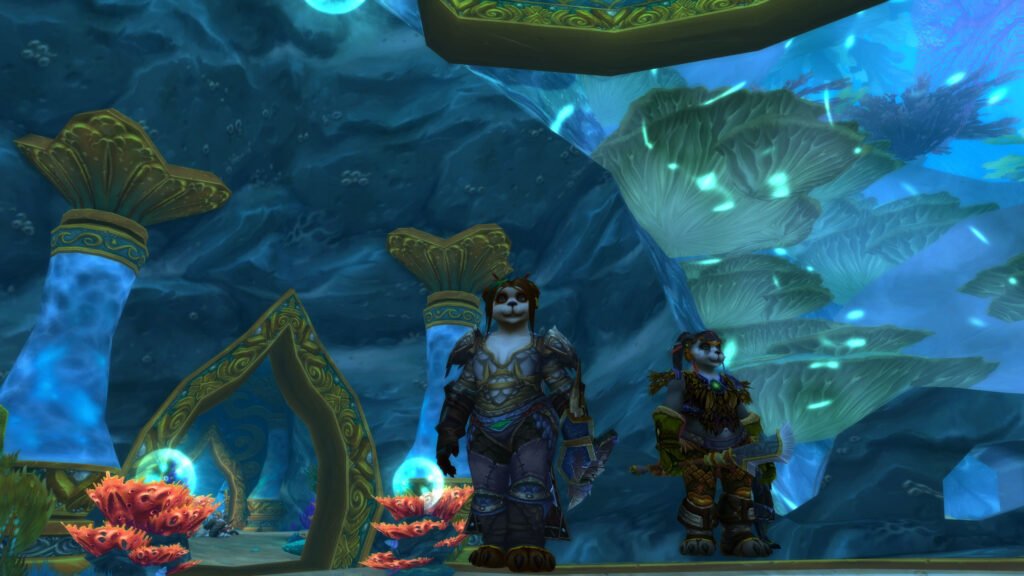
Echoes of the Past
When Blizzard first introduced Timewalking during Warlords of Draenor, it was an experiment in nostalgia. The idea was simple—bring back older dungeons with scaled-down gear and level adjustments to recreate their original challenge. But what emerged was more than a trip down memory lane. It was a rediscovery of design philosophies long thought lost: slower pacing, deliberate pulls, and dungeon layouts that rewarded awareness over automation.
Timewalking became the heartbeat of Azeroth’s collective memory.
The Mechanics of Memory
Timewalking doesn’t just shrink player power—it recalibrates perception. By scaling stats, gear, and abilities, the system restores tension to once-familiar content. Veterans who once steamrolled through dungeons like The Arcatraz or Gundrak suddenly find themselves strategizing again. Newer players, meanwhile, get a rare glimpse of the game’s early craftsmanship—architecture, enemy design, and music from an era when every pull could be fatal.
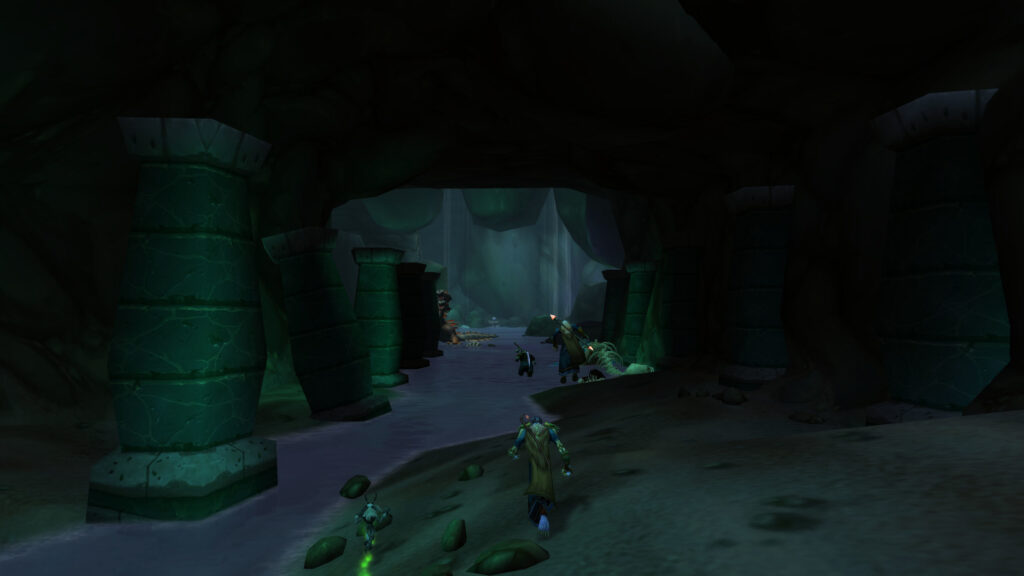
It’s not difficulty for difficulty’s sake—it’s reverence for how far the game has come.
Why Players Keep Returning
While weekly loot rewards and currency like Timewarped Badges draw players in, the real hook is nostalgia. Every event—whether Burning Crusade, Wrath, or Cataclysm—feels like a reunion. Friends re-form groups to relive glory days, guilds schedule themed nights, and newcomers learn firsthand why these dungeons became legends. It’s shared storytelling disguised as gameplay. Blizzard didn’t just preserve content—they preserved emotion.
In a game built on progress, Timewalking celebrates memory as progression’s equal.
| Expansion | Example Dungeon | Defining Feature | Timewalking Rewards |
|---|---|---|---|
| The Burning Crusade | The Arcatraz | Challenging multi-boss layouts | Badge gear and mounts |
| Wrath of the Lich King | Utgarde Pinnacle | Atmospheric Norse aesthetic | Reputation boosts |
| Cataclysm | End Time | Story-driven time paradox design | Item upgrades and toys |
| Mists of Pandaria | Temple of the Jade Serpent | Fluid pacing and art direction | Faction commendations |
| Legion | Court of Stars | Interactive mechanics and class synergy | Event-exclusive mounts |
Bridging Generations of Design
Timewalking dungeons highlight how much WoW’s design philosophy has changed—and how much remains timeless. Classic-era dungeons prioritized exploration, while modern ones emphasize speed and precision. Timewalking allows both to coexist, reminding players that neither approach is obsolete. It’s a living dialogue between game design eras, played out one pull at a time. Every week, the past whispers lessons to the present.
It’s not just nostalgia—it’s education through experience.
Community and Connection
Timewalking also fosters community like few other events. Guilds host challenge runs, streamers organize race competitions, and transmog collectors chase rare loot across timelines. These shared pursuits blur the line between past and present player bases. Veterans teach newcomers old mechanics, while modern players showcase evolved strategies. The cycle continues—knowledge passed through play.
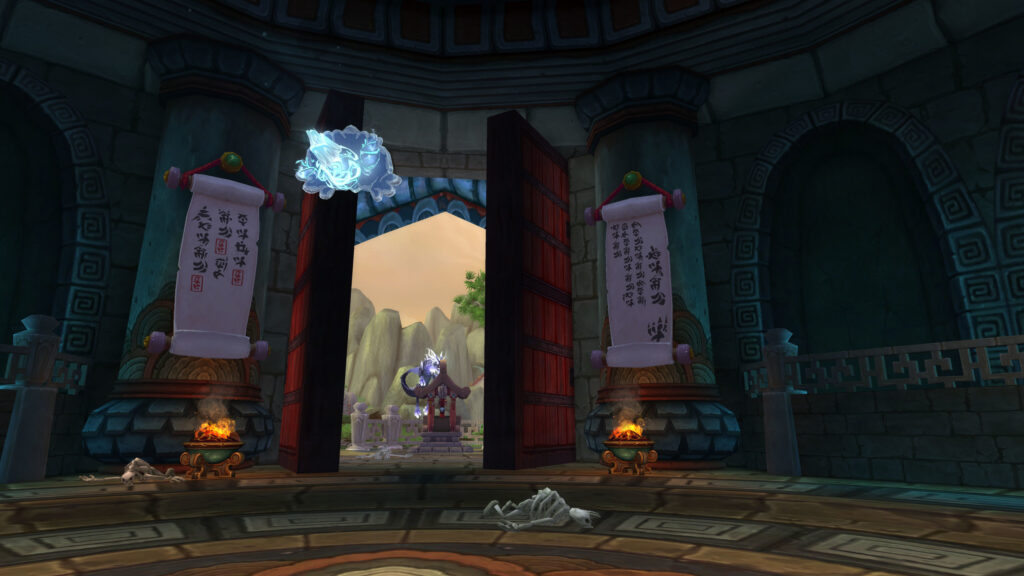
In Azeroth, history isn’t written—it’s queued for.
The War Within and Beyond
With The War Within on the horizon, Timewalking may evolve once again. Blizzard has hinted at permanent Timewalking rotations or even integrated scaling for raids. This would transform nostalgia into a perpetual feature—a bridge connecting every generation of the game. Timewalking’s greatest strength has always been its adaptability, proving that old content never truly dies—it simply waits for its time to return.
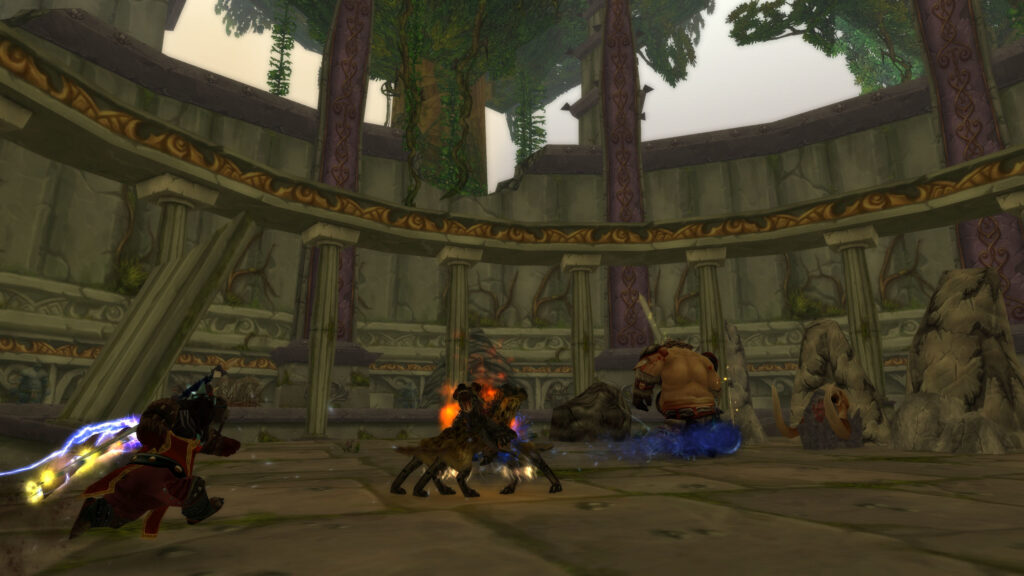
In WoW, time isn’t an obstacle—it’s the ultimate mechanic.
Conclusion
Timewalking isn’t just a system—it’s a philosophy. It reminds players that progress doesn’t erase history, and that the past still has lessons to teach. Whether reliving the halls of Shattered Halls or venturing into the Jade Serpent once more, players experience a sense of continuity rare in gaming. In every Timewalking run, Azeroth’s timeline folds into itself—past, present, and future united in one endless adventure.
Because in Warcraft, time doesn’t pass—it plays on.
Home