

You’ve seen Warcraft transform from the gritty depth of Molten Core to the vast unknown of the Sepulcher of the First Ones. Raiding started as a hefty challenge, demanding coordination and commitment. Early days required you to align schedules like never-before-seen appointments, and guilds weeded out the uncommitted with interviews.
Through the years, mechanics have deepened, bosses have grown more cunning, and your strategies have had to evolve. Raids like Icecrown Citadel and the Eternal Palace aren’t just battles; they’re stories you live with your guild. And the community? It’s the lifeblood, making every victory sweeter. There’s much more to uncover together.
Key Takeaways
- Raiding in Warcraft began with Molten Core, emphasizing team coordination and complex battles.
- Over time, raid mechanics evolved, introducing greater complexity and requiring strategic adaptability.
- Iconic raids and bosses, such as Icecrown Citadel and the Lich King, have left lasting impressions on players.
- Player communities have played a crucial role in shaping the raiding experience, fostering collaboration and knowledge sharing.
- Modern raids, including Sepulcher of the First Ones, offer immersive experiences with dynamic environments and intricate storylines.
The Origins of Raiding
Raiding in Warcraft began as a challenge for players seeking to test their skills in more complex, team-oriented battles. Molten Core, the game’s first raid, set a precedent with its intricate mechanics and the coordination required to defeat its raid bosses. You’d find yourself scheduling raid times like appointments, ensuring your team was ready to tackle the high difficulty levels presented.э
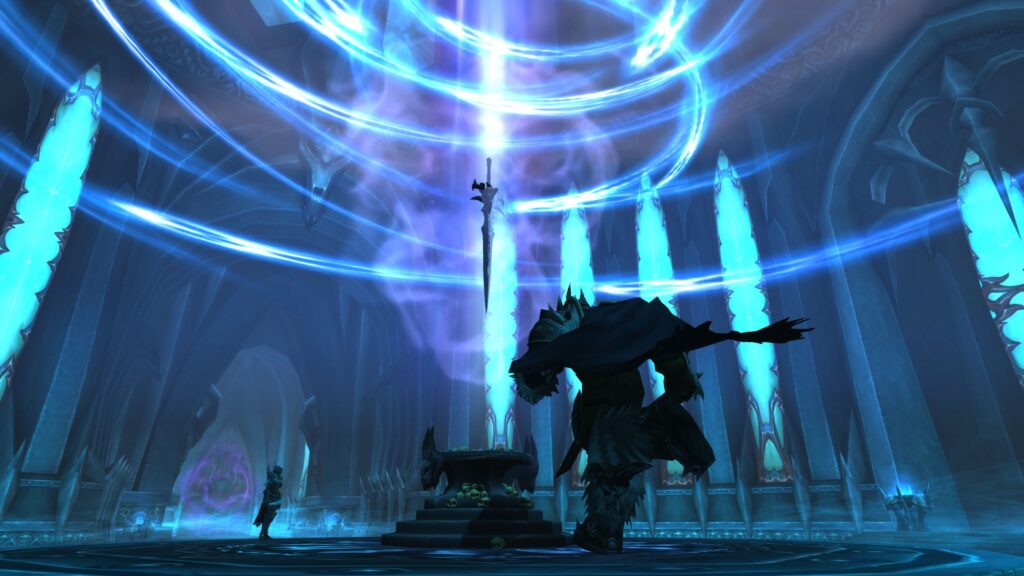
Guild interviews became a norm, screening for players who could commit and meet the demands of raiding. A Korean guild, known for its discipline, often led the charge, setting records that pushed everyone else to up their game. This competition bred a bit of elitist attitude within the community, where your raid achievements could either be a badge of honor or a mark of exclusion.
As you navigated through these early days, it was clear that raiding was more than just playing; it was about strategizing, dedicating time, and sometimes dealing with the friction of differing personalities all aiming to conquer the toughest content Warcraft had to offer.
Evolution of Raid Mechanics
As we move forward, you’ll notice how raid mechanics have evolved, introducing new layers of complexity and strategy that transformed the way players engage with Warcraft’s most challenging content. Initially, bosses in raids offered straightforward battles, testing a raiding guild’s ability to execute basic tasks under pressure. Over time, these encounters have morphed into intricate dances requiring precise coordination, adaptability, and an understanding of complex mechanics that often change mid-fight.
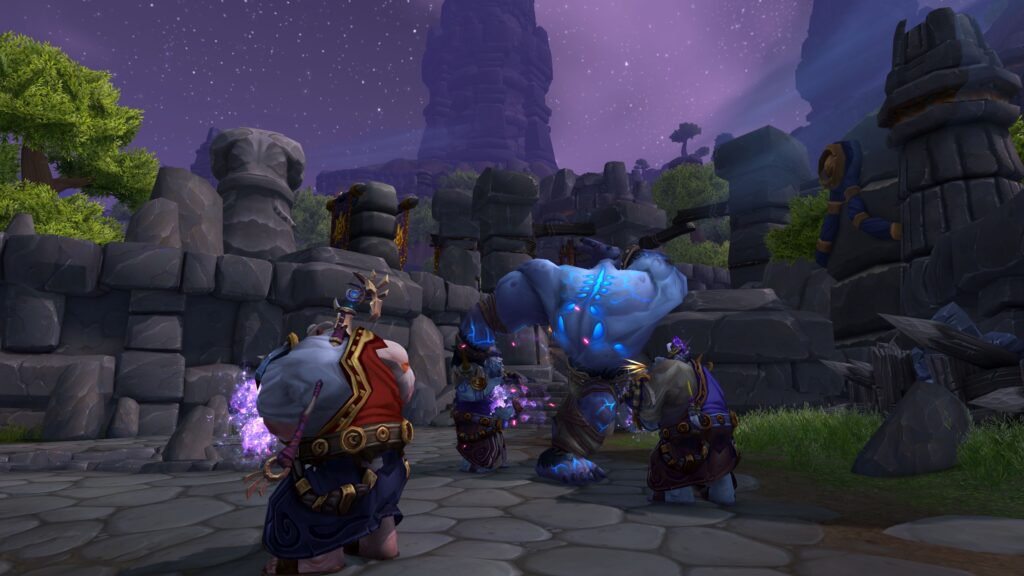
This evolution has notably impacted player roles, especially for arms warriors and those focused on maximizing their output with PvP gear in a PvE setting. The demand for specific strategies to counteract unique boss abilities has led to a more dynamic and engaging raiding experience. Players now find themselves not just fighting a boss, but engaging in a battle of wits and wills against the game designers who craft these encounters.
Moreover, the progression of raid mechanics has fostered a more collaborative environment within raiding guilds. Success in current raids often hinges on collective effort, communication, and the ability to learn from each attempt. This shift has not only made raiding more rewarding but has also solidified its place as a cornerstone of the Warcraft experience.
Memorable Raids and Bosses
Throughout Warcraft’s history, there’ve been numerous raids and bosses that left an indelible mark on players’ memories, challenging and enthralling them equally. One can’t forget the awe of first stepping into Molten Core, the game’s first raid, where the fiery lord Ragnaros awaited. It wasn’t just about the fight; it was the realization of what MMOs could offer regarding collective player experiences.
Then there was the Lich King in Icecrown Citadel, a villain so iconic that his defeat felt like the culmination of years of storytelling. You were not just raiding; you were part of Warcraft’s history. Fast forward, and there’s the complexity of the Eternal Palace, where Queen Azshara showcased the evolution of raid mechanics and storytelling within the game.
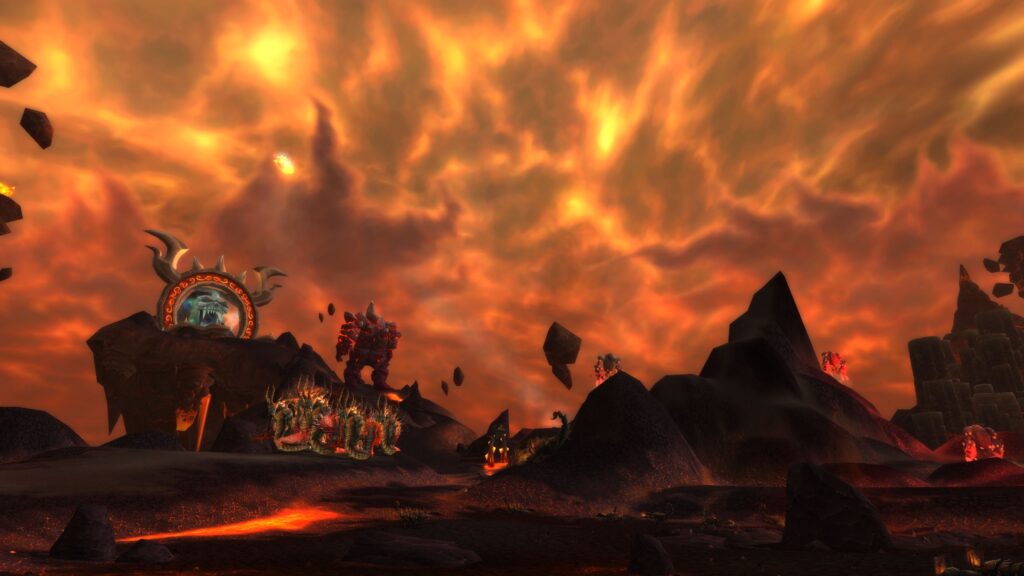
Each of these raids brought something new to the table, whether it was innovative mechanics in encounters like with Kil’jaeden in The Sunwell Plateau or the atmospheric depth of Ulduar, with its titanic lore and optional hard modes that challenged even the most seasoned players. These moments weren’t just about the loot or the challenge; they were shared experiences that defined the essence of raiding in Warcraft.
The Impact of Player Communities
Reflecting on memorable raids and bosses highlights the pivotal role player communities have played in shaping the Warcraft raiding experience. It’s these vibrant communities that have turned challenging content into unforgettable adventures. From the early days of Molten Core to the intricate mechanics of the Sepulcher of the First Ones, it’s the players beside you who’ve made each victory feel monumental and every defeat a lesson learned together.
| Key Contributions | Impact on Raiding |
|---|---|
| Strategy Sharing | Enabled players to tackle difficult bosses by pooling knowledge and tactics. |
| Social Bonding | Fostered strong connections, turning guilds and raid teams into tight-knit families. |
| Community Events | Amplified engagement through player-run competitions and challenges. |
You’ve likely noticed how these communities have evolved, adapting to new raids and mechanics, all while preserving a sense of unity and purpose. They’re not just groups of gamers; they’re microcosms of cooperation, dedication, and mutual respect. Whether you’re strategizing over voice chat or celebrating a hard-fought win, it’s the camaraderie that truly defines the Warcraft raiding experience. Essentially, these player communities have been the lifeblood of raiding, continuously enriching the game beyond its digital boundaries.
Raiding in the Modern Era
Raiding in the modern era has evolved, offering you more complex challenges and immersive experiences than ever before. The raids you’re diving into now are a far cry from the straightforward battles of the past. Developers have pushed the envelope, weaving intricate mechanics and storylines that pull you deeper into the world of Azeroth. You’re not just fighting bosses; you’re unraveling a narrative, piece by piece, with every encounter.
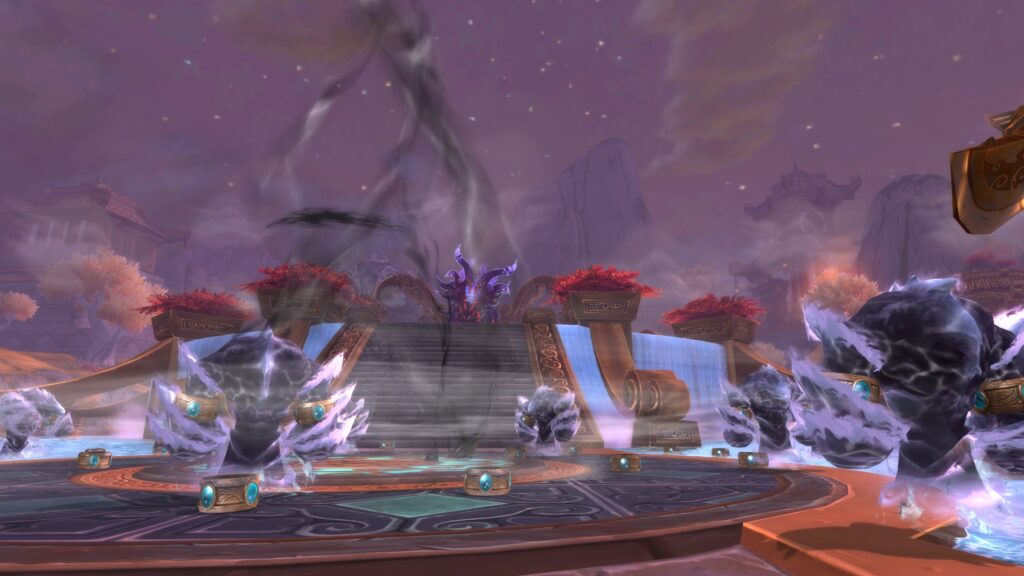
The introduction of dynamic environments and fight mechanics means you’ve got to be on your toes. It’s not just about mastering a rotation or gearing up anymore. You’ve got to adapt, think on your feet, and work closely with your raid team to overcome obstacles. The sense of achievement you get from downing a boss after countless attempts is unparalleled, fueled by the complexity and challenge these modern raids present.
Moreover, accessibility has improved. With features like Raid Finder, you’re able to experience these epic stories, regardless of whether you’re part of a hardcore raiding guild or a casual player. This inclusivity has broadened the raiding community, bringing together players from all walks of life to share in these monumental gaming moments. Raiding today isn’t just about the loot; it’s about the journey, the camaraderie, and the sheer thrill of the challenge.
Frequently Asked Questions
How Do the In-Game Economies and Auction Houses Influence Raid Preparation and Strategy?
You’re affected by in-game economies and auction houses as they shape your raid prep and strategy. You’ll need to buy or sell gear and consumables, impacting how well you can tackle raid challenges.
What Role Have Third-Party Tools and Addons Played in Evolving Raid Strategies Over the Years?
You’ve seen it firsthand: third-party tools and addons have revolutionized raid strategies, making complex mechanics manageable and sharpening your team’s edge. They’re essential gear in your digital arsenal, turning impossible battles into victorious tales.
How Has the Representation and Diversity of Raiding Guilds Changed Throughout the History of Warcraft Raiding?
You’ve seen raiding guilds become more diverse over time, incorporating players from all walks of life. This shift reflects broader gaming community changes, welcoming a wider array of voices and perspectives into the raiding scene.
In What Ways Have Raids Influenced the Lore and Storyline Progression Within the Warcraft Universe Outside of the Game Itself?
Imagine stepping into a world where every raid you’ve conquered has woven a thread into the vast tapestry of lore. Raids have not just shaped the game but the universe’s story beyond it.
What Are the Psychological and Social Impacts of Long-Term Raiding on Players’ Lives and Relationships Outside of the Game?
You’ve noticed raiding’s not just a game; it’s a commitment. Long-term raiding can strain your relationships and affect your mental health, but it also forges strong friendships and a sense of accomplishment outside the game.
Conclusion
As you’ve journeyed from the fiery chasms of Molten Core to the enigmatic depths of the Sepulcher of the First Ones, you’ve woven your story into the tapestry of Azeroth’s history. Raiding’s evolution has been a dance of strategy and camaraderie, a symphony where each note is a battle cry, a puzzle piece, or a shared triumph.
As the raiding saga continues to unfold, you stand at the ready, a proof of the enduring spirit of adventurers united in the pursuit of legendary deeds.
Home!