
Since the early days of WoW, battlegrounds have been a core part of the PvP experience, offering large-scale faction warfare with unique objectives and strategies. However, while some battlegrounds remain iconic and are played regularly, others have faded into obscurity. What makes certain battlegrounds stand the test of time, while others become forgotten? Let’s break it down.
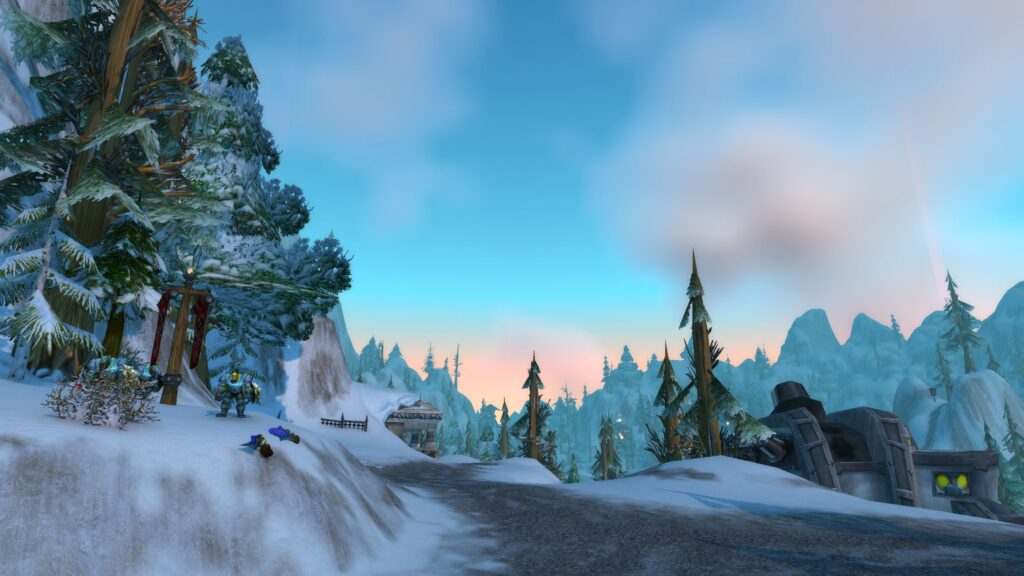
Warsong Gulch – The Timeless Classic
Why It’s Legendary: Warsong Gulch (WSG) has been a staple of PvP since Classic WoW, thanks to its simple yet skill-based capture-the-flag format. With a symmetrical map and clear objectives, WSG rewards both individual skill and team coordination.
What Makes It Work:
- Balanced Design: Identical terrain for both factions ensures fairness.
- Fast-Paced Action: The mix of offense and defense keeps matches engaging.
- Endless Replayability: No two games play out the same, making it a consistent favorite.
Because of its balance, replayability, and accessibility, Warsong Gulch continues to thrive as a fan-favorite battleground.
Arathi Basin – The Perfect Resource War
Why It’s Legendary: Arathi Basin (AB) strikes a balance between strategy and fast-paced skirmishes, making it one of the most replayable battlegrounds.
Key Strengths:
- Strategic Depth: Capturing and defending multiple resource points requires teamwork.
- Dynamic Fights: Every battle unfolds differently based on player movements.
- Perfect Map Size: Large enough for tactical play, but small enough for fast action.
Because of its well-balanced gameplay and tactical depth, Arathi Basin remains one of the most enduring battlegrounds.
Alterac Valley – A Story of Decline and Resurgence
Why It Was Legendary: Alterac Valley (AV) was once the ultimate large-scale war, with battles lasting hours or even days in early WoW.

What Went Wrong:
- Matches Became Too Long: Early AV battles could last days, frustrating casual players.
- Faction Imbalance: The layout often favored one side, making it frustrating for the losing team.
- Focus Shifted to PvE: Players began rushing objectives instead of engaging in PvP.
Despite its decline, AV still sees play, especially during the Korrak’s Revenge event, which brings back its classic, war-like feel.
Eye of the Storm – A Solid Hybrid Mode
Why It’s Still Played: Eye of the Storm (EotS) combines elements of Warsong Gulch and Arathi Basin, offering capture points and a flag mechanic.
Why It Works:
- Balanced Faction Start: Both teams begin in the middle, ensuring fair fights.
- Multiple Win Strategies: Players can focus on flag running or controlling bases.
- Exciting Midfield Battles: The flag area creates a constant point of conflict.
Because of its hybrid gameplay, Eye of the Storm remains relevant, even if it’s not as iconic as Warsong Gulch or Arathi Basin.
Battlegrounds That Faded into Obscurity
While some battlegrounds remain legendary, others have been mostly forgotten. Here are a few that didn’t stand the test of time.
Strand of the Ancients – An Experiment That Didn’t Work
What Went Wrong:
- Asymmetrical Map Issues: Attackers and defenders had different objectives, leading to balance problems.
- Vehicle Combat Problems: Players often disliked using vehicles instead of their own abilities.
- Repetitive Gameplay: Matches felt repetitive, as strategies rarely changed.
Strand of the Ancients was eventually removed from the game, proving that not every battleground design works.
Silvershard Mines – Too Niche to Succeed
What Went Wrong:
- Unpopular Cart Mechanic: Escorting carts felt less engaging than capturing flags or bases.
- Overly Linear Design: The narrow pathways limited strategy.
- Low Participation: Many players simply avoided queuing for it.
While Silvershard Mines is still in the game, it’s one of the least played battlegrounds.
Temple of Kotmogu – Chaotic and Frustrating
What Went Wrong:
- Fast-Paced but Unstructured: Lacked the tactical depth of Arathi Basin or Warsong Gulch.
- Unpopular Objective: Holding an orb for points felt less engaging than capturing locations.
- Frustrating Death Loops: Players often got focused down the moment they grabbed an orb.
While some players enjoy the chaos, Temple of Kotmogu remains one of the least favored battlegrounds.
What Makes a Battleground Legendary?
From looking at the successes and failures of different battlegrounds, we can see key elements that determine which ones stand the test of time.
Factors That Keep a Battleground Popular:
- Balanced and Fair Layouts: Maps that don’t heavily favor one faction.
- Clear and Fun Objectives: Simple mechanics that still allow for deep strategy.
- Replayability: Battlegrounds that don’t feel repetitive and allow for multiple strategies.
Why Some Battlegrounds Fail:
- Overly Complex Mechanics: Players prefer clear objectives over convoluted systems.
- Faction Imbalances: Unfair advantages make one side dominate too often.
- Low Replay Value: If every match plays out the same way, interest drops.
Conclusion
WoW’s battlegrounds have had a mix of legendary successes and forgettable failures. While classics like Warsong Gulch and Arathi Basin continue to thrive, others like Strand of the Ancients have faded into history. As Blizzard continues to develop new battlegrounds, they’ll need to focus on balance, engagement, and replayability to ensure that PvP remains a core and exciting part of WoW’s experience.
Home